For families and individuals looking for clearer answers

Does learning feel harder than it should?

When learning feels harder than it should, a comprehensive evaluation can help make sense of what’s getting in the way. Abbey Weinstein, PhD, works with children, college students, and adults to understand attention, learning, and executive-functioning concerns, and to identify useful next steps.

For children, college students, and adults with questions about learning, attention, or accommodations.Based in the Dallas-Fort Worth Metroplex. Virtual options may be available when appropriate.

What brings families and individuals here

You know the ability is there. But showing what you know still feels harder than it should.

Maybe homework has turned into a nightly standoff. Maybe ideas come easily out loud but disappear on paper. Maybe you can’t remember things you knew the day before, or you immediately forget what someone has just told you. The gap between what someone knows and what their work or test results show can be hard to explain.

Dr. Weinstein helps families and individuals understand how someone learns, where things are getting stuck, and what to do next.

Testing is paced with patience, breaks, and time to build comfort and rapport so each individual can settle in and show what they can do.

What an evaluation can help you do

Testing should bring clarity, confidence and context.

Evaluations are shaped around the person in front of Abbey Weinstein, PhD, whether that means understanding a child’s school experience, helping a college student pursue accommodations, or clarifying an adult’s learning and attention profile.

For parents: understand why school feels difficult and what kinds of support may help. For college students and adults: clarify attention, learning, or executive-functioning concerns and identify support needs for college, graduate study, or demanding exams such as the MCAT or LSAT.

Understand what may be behind the difficulty

A comprehensive evaluation can examine dyslexia and other learning disabilities, attention and focus concerns, executive-functioning and processing difficulties, academic skills, and the need for accommodations.

Know what to ask for next

Consultation can help families and individuals get a steadier read on existing paperwork, prepare for a meeting, and bring clearer questions and recommendations to the table.

Determine whether accommodations may fit

Documentation may clarify support needs for school, college, or standardized testing when criteria are met.

How it works

A simple path from questions to next steps.

  1. Talk through the concerns

    Start with what you are noticing at home, school, college, or work, what has already been tried, and what questions the evaluation needs to answer.

  2. Comprehensive one-on-one testing

    Testing is shaped around the concerns and paced with care, including breaks, encouragement, and attention to how the child or adult is feeling in the room.

  3. Use the results

    Walk through what the testing shows, what it may mean, and recommendations for support, including what to bring to conversations with school teams or other providers.

Client feedback

Trust sounds different when it comes from those who have been there.

Stories from families, students, and adult clients.

“Our daughter needed updated diagnostic testing, and Dr. Abbey made her feel validated and comfortable. When we met to discuss the results, she was patient, made time for our questions, and helped us understand what came next. We highly recommend Dr. Abbey to other families.”
Parent of an 18-year-old
“Having our child evaluated for learning disabilities was one of the best decisions we made. Dr. Weinstein was thorough, patient, and took time to answer our questions. The evaluation gave us a clearer understanding of how our child learns, along with practical recommendations for school and home. We left feeling informed, reassured, and confident about the next steps.”
Parent of a middle schooler
“Reading, attention, and staying focused at school had become difficult for our son, and we needed answers beyond knowing he was struggling. Dr. Weinstein made him feel comfortable and took time to understand his needs. We left with a clearer picture of how he learns and concrete strategies to help him move forward with confidence.”
Parent of an elementary schooler

Testing questions

Questions that can make the first call easier.

You don’t need to know exactly what kind of evaluation you need before reaching out. These are some of the concerns that often come up.

What kinds of skills can be assessed?

Depending on the questions being asked, testing may look at cognitive processing, academic skills, attention, executive functioning, memory, processing speed, reading, writing, math, and how those areas interact.

Can testing help identify the source of learning or attention difficulties?

Yes. Attention concerns can overlap with dyslexia, written-expression difficulties, math concerns, anxiety, working-memory challenges, or other learning disabilities. A comprehensive evaluation can help identify the primary source of the difficulties and help rule certain disabilities in or out.

What happens if my child gets tired, restless, or frustrated?

That is part of working with children. Breaks, encouragement, movement needs, worry, fatigue, and frustration are handled with patience and considered as part of the picture. The goal is not to force a perfect testing day. The goal is to understand how your child thinks, works, and keeps going.

Do you only work with families in DFW?

Assess for Success serves families and individuals across the Dallas-Fort Worth Metroplex (DFW), including North Dallas suburbs such as Plano, Frisco, Allen, and McKinney. Abbey Weinstein, PhD, is nationally certified and can talk through virtual testing options when appropriate, including for college students who live outside the area.

Can college students and adults be evaluated?

Yes. Assess for Success works with college students and adults as well as children and teens. An evaluation may explore attention, executive functioning, learning disabilities, memory, processing, and academic skills. For students preparing for demanding programs or exams such as medical or law school, the process can help clarify concerns and document support needs when appropriate.

Can this support school conversations?

Testing can help parents ask clearer questions about school support, accommodations, IEP or 504 conversations, and what may be getting in the way of learning.

Do I need to know what to ask for before I call?

No. The first conversation can start with what you are noticing at home, what school has raised, or what still does not make sense. Dr. Weinstein can help you think through whether testing, consultation, a virtual option, or another next step fits.

About Assess for Success

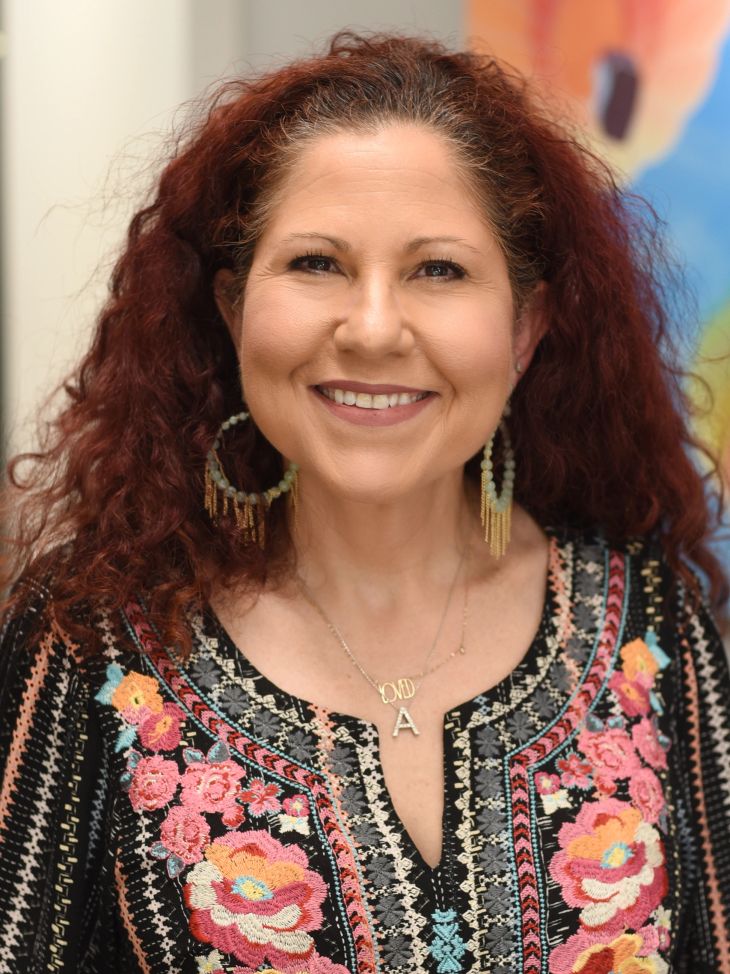
Led by Abbey Weinstein, PhD.

Dr. Weinstein is a certified Educational Diagnostician serving families and adults across the Dallas-Fort Worth Metroplex (DFW), including North Dallas suburbs such as Plano, Frisco, Allen, and McKinney. She is nationally certified and can talk through virtual testing options when appropriate, including for college students who live outside the area.

She brings more than 28 years in education and diagnostics, including public school diagnostic work, private evaluations, assessment leadership, and university-level teaching in special education.

Her work centers on the whole learner: what is hard, what is strong, and what may finally explain the gap between effort and outcome.

View Abbey Weinstein, PhD, on LinkedIn
Abbey Weinstein, PhD

Common reasons to request an evaluation:

  • Reading, writing, math, or attention concerns
  • Dyslexia or related learning disorders
  • ADHD, executive-functioning, or processing concerns
  • Private school or public school planning
  • Standardized-test accommodation documentation
  • Adult learning concerns that were never fully explained or may require workplace accommodations, when needed and eligible

A first conversation

If learning feels harder than it should, schedule a call.

Start with what you are noticing, whether it involves your child, your college experience, difficulty passing a career-advancement test, workplace difficulties, or your own learning. Abbey Weinstein, PhD, will help you decide whether an evaluation, consultation, virtual option, or another next step makes sense.

Please do not send confidential records through email until a secure document process is confirmed.

Email: DrWeinstein@afstx.net